
Free Up Time. Make a Collective IMPACT.
We help Executives with their efforts to free up time to make a Collective Impact with their lives using a Hiring, Training, and Accountability for Mission & Traction program.
Your Business Can’t Run Without You—And That’s Holding You Back.

You’ve built a successful business, but if it can’t run 25% of the time without you, then you’re stuck.
❌ No time for higher-level strategy
❌ No space for personal, professional, and spiritual growth
❌ No room to create the lasting impact through your family, friends, and community you desire
The result? Frustration. Burnout. Missed opportunities.
You shouldn’t have to choose between success and significance.
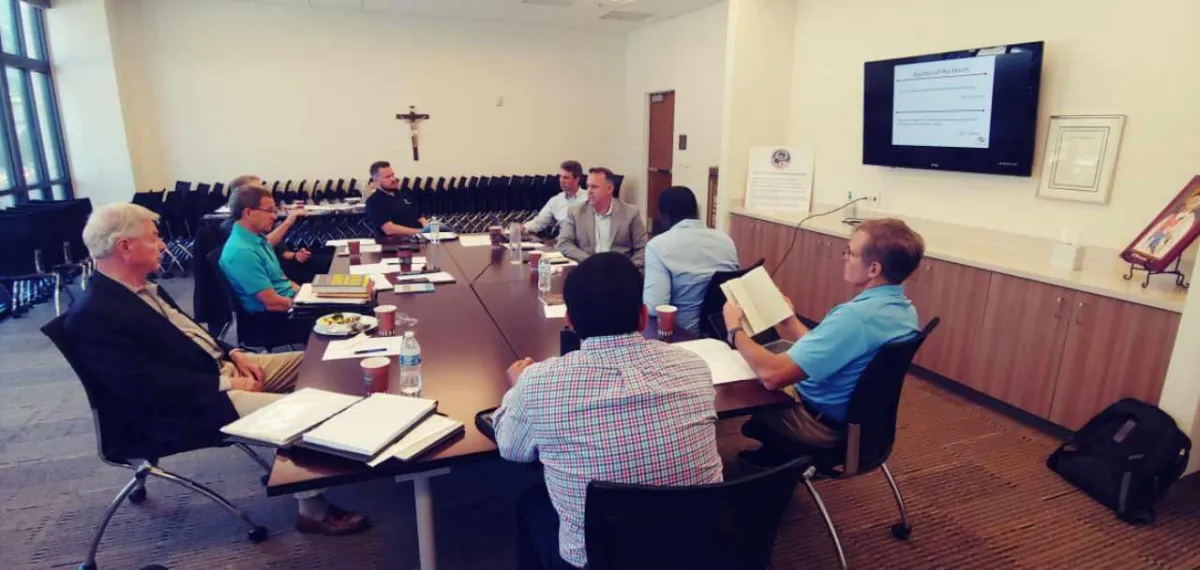
We Help Executives Step Back...
So They Can Lead Forward.
For over 30 years, we’ve helped leaders free up time to make a Collective Impact with their lives.
✔ 100+ client projects successfully completed
✔ 4,000+ hours of senior leadership coaching
✔ 3 organizations founded
✔ Proven programs that build teams to execute mission AND generate the traction to get things done.

We Provide a Proven Program to Free Up Your Time & Elevate Your Leadership
1️⃣ Make Principled Decisions – Implement a mission-driven hiring, training & accountability program.
2️⃣ Improve Team Communication – Run better meetings with clear accountability using Traction & Ninety.
3️⃣ Focus on Your Legacy – Free up time to make a measurable Collective Impact beyond just revenue and increase your sense of peace.
What Does Success Look Like to YOU?
When you free up your time, you gain:
✅ Clarity – Lead with intention and confidence.
✅ Integrity – Invest in your family, community, and personal growth.
✅ Impact – Make a lasting difference in the world.
🚀 Don’t just grow your business—grow your legacy.
P.O. Box 670101, Dallas TX 75367
(214) 353-9333
© Copyright 2026. Cima Strategic. All Rights Reserved.